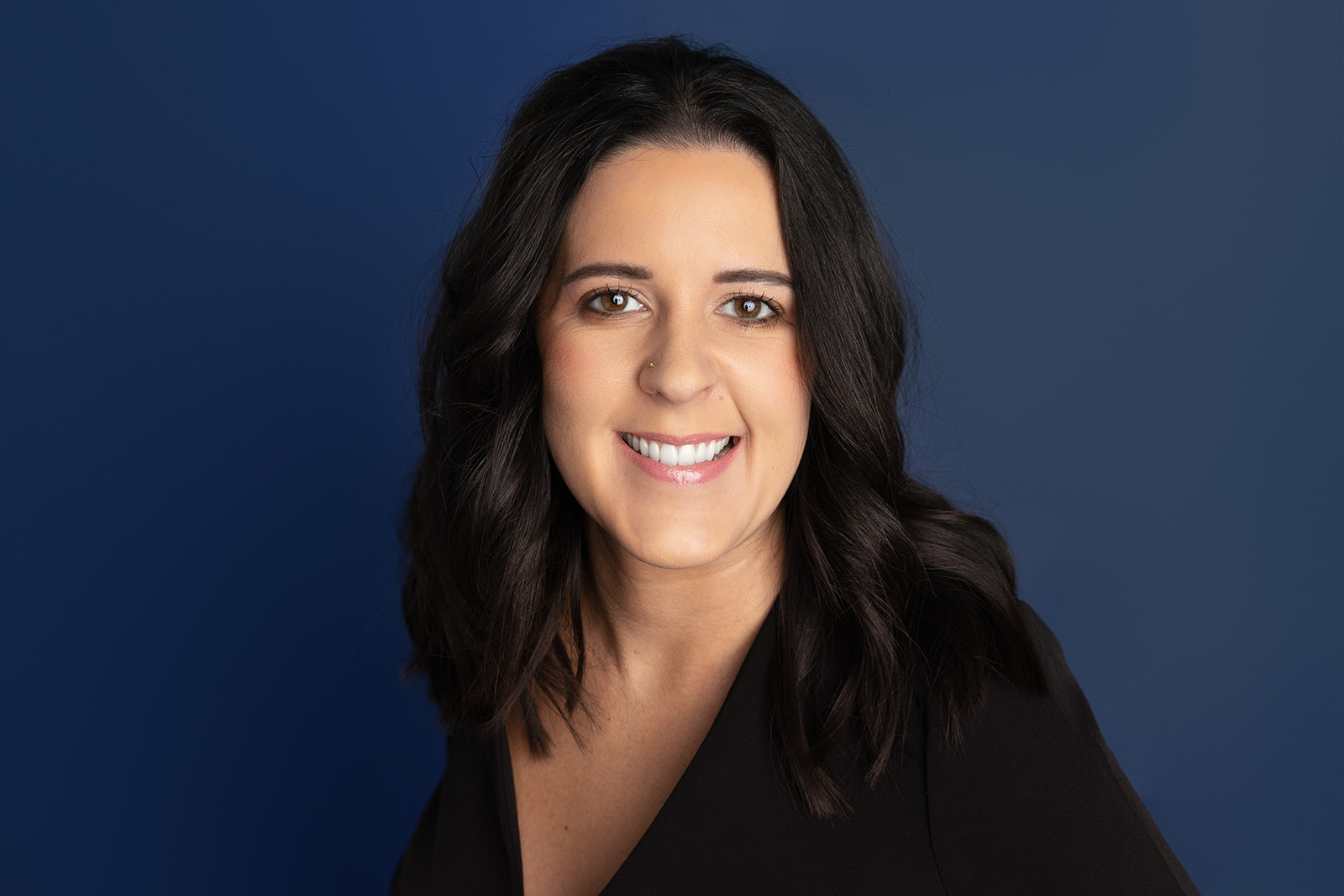
Still a Warrior, By Song Seto

I’ve been a short-distance runner since high school, and for most of my life, movement has been how I grounded myself: mentally, emotionally, spiritually. As a first-generation eldest daughter of immigrants, I learned early about responsibility, sacrifice, resilience, and perseverance.
But over time, I learned something else too: strength is not only about pushing through pain. Sometimes strength is knowing when to rest, ask for help, soften, and care for yourself with the same compassion you give to everyone else.
When COVID hit, I watched my mental health quietly unravel. I wasn’t having panic attacks, but anxiety slowly entered my life in ways I didn’t recognize at first. My thoughts spiraled. Talk therapy helped immensely. Running became more than exercise, it became survival, clarity, and healing.

In 2024, I was awarded the Still I Run Starting Line Scholarship, and it reignited my love for movement and mental health advocacy. My goal was simple and intentional: run a half marathon, my favorite distance. I remember telling Sasha in May 2024 that I had comfortably run 5 miles at a 9-minute pace. Steven S., my coach, created a training plan that pushed me while also believing in me.
Ironically, someone I assumed would be “hard” because of his military background became one of the gentlest accountability coaches I’ve ever had. He celebrated my highs, supported me through my lows, and reminded me that progress is not linear.
Then life changed overnight.
I was awarded a Brooks scholarship to run in Cordova, Alaska during the Salmon Jam festivities. Brooks would outfit me head to toe. I should have felt excited. Instead, by June 2024, I no longer felt like myself.
For three straight weeks, something felt deeply wrong. My hands trembled. I was running 40 miles per week, then suddenly one day, my legs stopped cooperating. My heart felt like an elephant was sitting on my chest.
I went to the doctor and instinctively knew the situation was serious by how carefully he handled my case. He personally called me from his cell phone regarding medications and specialist referrals. Within a month, I had to stop everything.
No racing. No strength training. No version of the life I recognized.
I was diagnosed with Graves' disease.
At first, I lost 40 pounds without trying, and honestly, I thought I was losing my mind. Then came the exhaustion: the kind where simply existing feels heavy. Imagine trying to drive a car without an engine. I kept wondering: How do I continue working full time while losing the very thing that made me feel alive?
Then came the shame.
The internet associated Graves’ disease with Wendy Williams, public decline, and instability. I hid my diagnosis from almost everyone. Only three people in my life knew.
After I was medically cleared from flying and unable to race in Alaska, Steven kept checking in:
“How’s everything going with your health? Got the all-clear from the doctor yet?”
That care mattered more than he probably realized.
So I turned inward. I read endlessly. I attended Still I Run mental health coaching sessions with therapists. I became more intentional about my life, my body, my stress, my relationships, and my healing.
That July, I experienced a thyroid storm. My blood pressure reached 200/100. It terrified me.
Around that same time, Sasha from Still I Run sent me an email that made me cry:
“You’re STILL a warrior in my mind.”
Those words stayed with me.
Not because I felt strong, but because I didn’t.
And yet people still believed in me while I was struggling to believe in myself.

By October 25, 2024, something in me had shifted. I ran from Los Angeles to San Diego; 120 miles total, averaging an 8:20 pace. Then came a trail race at Mt. Booney, followed by the Nike Half Marathon, where I placed 49th out of 18,000 runners.
But the real victory wasn’t the pace or the placement. It was proving to myself that healing can move forward one step at a time. Because at Still I Run, “Forward is a pace.”
But the real victory was never the mileage.
The real victory was reclaiming trust in my body, identity, and spirit after believing they had abandoned me.
For a long time, I felt like I was fighting invisible battles alone. In 2026, I finally shared my diagnosis publicly with 14 women during a call with the Cairn Project and Wild Woman Trail Runs while training for my first 50K.
I cried afterward because, for the first time in nearly two years, the shame no longer felt heavier than me.
After 22 months, I am finally nearing remission.
And now, to help the nearly 3.3 million people battling this disease, I’m flying to Texas to participate in a clinical study for Graves’ disease.
This journey taught me that healing is not linear. Sometimes your comeback does not look like returning to who you once were. Sometimes it is becoming someone softer, wiser, more honest, more compassionate, and more resilient than before.
I’m deeply grateful to the Still I Run community, especially Sasha, Mike, and Steven for helping transform belief into action through movement, connection, vulnerability, and community.
Because sometimes the strongest people are not the ones who never break.
They are the ones who learn how to rebuild themselves with tenderness.