
8 Best Running Shoes of 2026

There’s no shortage of lists claiming to crown the best running shoes of the year. Most of them focus on podium finishes, pace charts, or what the pros are wearing on race day. That’s not really our lane.
At Still I Run, we know running looks different for everyone. Some days it’s about speed workouts or a half marathon training cycle. Other days it’s easy miles, recovery runs, or just getting out the door when your brain is loud. The right running shoes don’t fix everything, but the right pair can make showing up feel a little more doable.
This list is built for mental health runners. Casual runners. Long-distance runners. New runners. People rotating between the same shoes for consistency and people who love trying all the shoes. These are picks that feel good underfoot, hold up over time, and support you whether you’re running for race day or running to clear your head.
Best Running Shoe Brands of 2026
Before we get into individual models, it’s worth saying this: there is no single best shoe or perfect pair for everyone. Foot shape, gait, mileage, and surfaces all play a role in what works.
That said, some top brands continue to stand out in 2026 for consistency, innovation, and how well their shoes support both physical comfort and mental ease:
Brooks
Nike
Altra
ASICS
Saucony
New Balance
You’ll notice some familiar names here, alongside a few that are pushing sustainability and design in meaningful ways. Let’s get into it.
Understanding Running Shoe Technology
Running shoes have changed a lot over the last decade, and that’s a good thing for runners at every level. Today’s best running shoes aren’t just about looks or brand names. They’re built with thoughtful technology designed to improve comfort, durability, and how your body feels during and after a run. Understanding a few key elements can make it easier to choose the right running shoes without getting lost in the details.
Midsole Foams: Where Comfort and Energy Live
The midsole is the heart of any running shoe. Modern midsoles use high-quality, lightweight foams that balance cushioning with responsiveness. These foams help absorb shock when your foot hits the ground and return energy as you push off, which can make runs feel smoother and less fatiguing.
Different brands use different formulas. For example, Brooks Ghost 17 features nitrogen-infused DNA Loft v3 foam, which increases cushioning while keeping the shoe light and consistent over long mileage. Shoes like the Hoka Clifton 10 use a thick stack of EVA foam to prioritize shock absorption and comfort, making them a popular choice for long runs and recovery days.
Some brands focus on durability alongside feel. The New Balance 1080v15 uses Infinion foam, which is firmer and longer-lasting than earlier Fresh Foam X, offering a stable, cushioned ride that holds up well over time.
Engineered Uppers: Secure Without Feeling Restrictive
The upper of a running shoe plays a big role in how it feels on your foot. Engineered uppers are designed to be breathable, lightweight, and supportive without adding unnecessary bulk. They help keep your foot securely in place while still allowing natural movement and airflow.
A well-designed upper should feel snug through the midfoot and heel while giving your toes room to spread. This balance helps reduce irritation, hot spots, and that “sloppy” feeling that can make runs uncomfortable, especially as mileage increases.
Outsoles: Traction and Durability Where It Counts
Outsoles don’t always get much attention, but they matter more than many runners realize. Advanced outsole materials improve grip on wet roads, uneven surfaces, and hard pavement while extending the life of the shoe. Good traction builds confidence, whether you’re running in the rain, navigating corners, or heading out for early-morning miles on tired legs.
Durable outsoles also mean your shoes stay reliable longer, which matters if you’re logging consistent miles or rotating between a couple of pairs of running shoes.
Plates and Performance Tech: When Speed Is the Goal
Some modern running shoes include carbon-fiber or composite plates. These plates are designed to increase propulsion and energy return by helping the foot roll forward more efficiently during toe-off. You’ll most often find this technology in race-day shoes and speed-focused trainers.
For example, the Lightstrike Pro foam used in the Adidas Adizero Evo SL delivers a bouncy, cushioned ride that works well for daily training and speed workouts, especially for runners who want responsiveness without sacrificing comfort.
Stability Technologies: Support When You Need It
For runners who overpronate, stability running shoes use features like dual-density midsoles or guidance systems to provide extra support along the inside edge of the shoe. These technologies help control excessive inward rolling, improving alignment and reducing injury risk over time.
Neutral runners typically don’t need these corrective features, but having the right level of support for your gait can make a noticeable difference in comfort and running efficiency.
At the end of the day, running shoe technology isn’t about chasing trends or owning the most advanced model. It’s about finding shoes that work with your body, support your movement, and make running feel a little easier. When the technology matches your needs, you spend less time thinking about your shoes and more time focusing on the run itself.
Best Beginner Running Shoes: Brooks Ghost 17

Why it made the list: The Brooks Ghost line has been a reliable daily trainer for years, and the Ghost 17 continues that tradition. It’s an incredibly versatile shoe that works for new runners and seasoned runners alike.
Description: The Brooks Ghost 17 is a neutral runner with a balanced cushioned ride, smooth transitions, and a feel that doesn’t demand much from you. The midsole foam offers supportive cushioning without feeling bulky, making it a great option for hard surfaces, long runs, and everyday trainers. It’s stable underfoot, absorbs shock well, and feels predictable in the best way.
This is the kind of shoe you can trust when everything else feels uncertain.
Pros:
Great for new runner confidence
Comfortable heel to toe drop for heel strikers
Durable and consistent across previous models
Works well for easy miles, long runs, and recovery runs
Cons:
Not the lightest option for speed days
Less ground feel than minimalist shoes
Best Speed Running Shoes: Nike Vaporfly 4

Why it made the list: When you want to feel fast, light, and a little unstoppable, this is it.
Description: The Nike Vaporfly 4 sits firmly in the super shoes category. Built with lightweight construction, aggressive geometry, and Nike’s performance foam, it’s designed for tempo runs, speed workouts, and race day efforts. The responsive midsole foam helps with toe off, while the overall shoe feel encourages you to keep moving forward.
This isn’t an everyday trainer, but for runners chasing a PR—or just wanting to feel strong for a workout—it’s a great shoe to have in rotation.
Pros:
Extremely light weight and responsive
Ideal for speed workouts and race day
Helps you feel nimble and efficient
Cons:
Expensive
Not designed for daily mileage or recovery runs
Best Marathon Running Shoes: Nike Alphafly 3
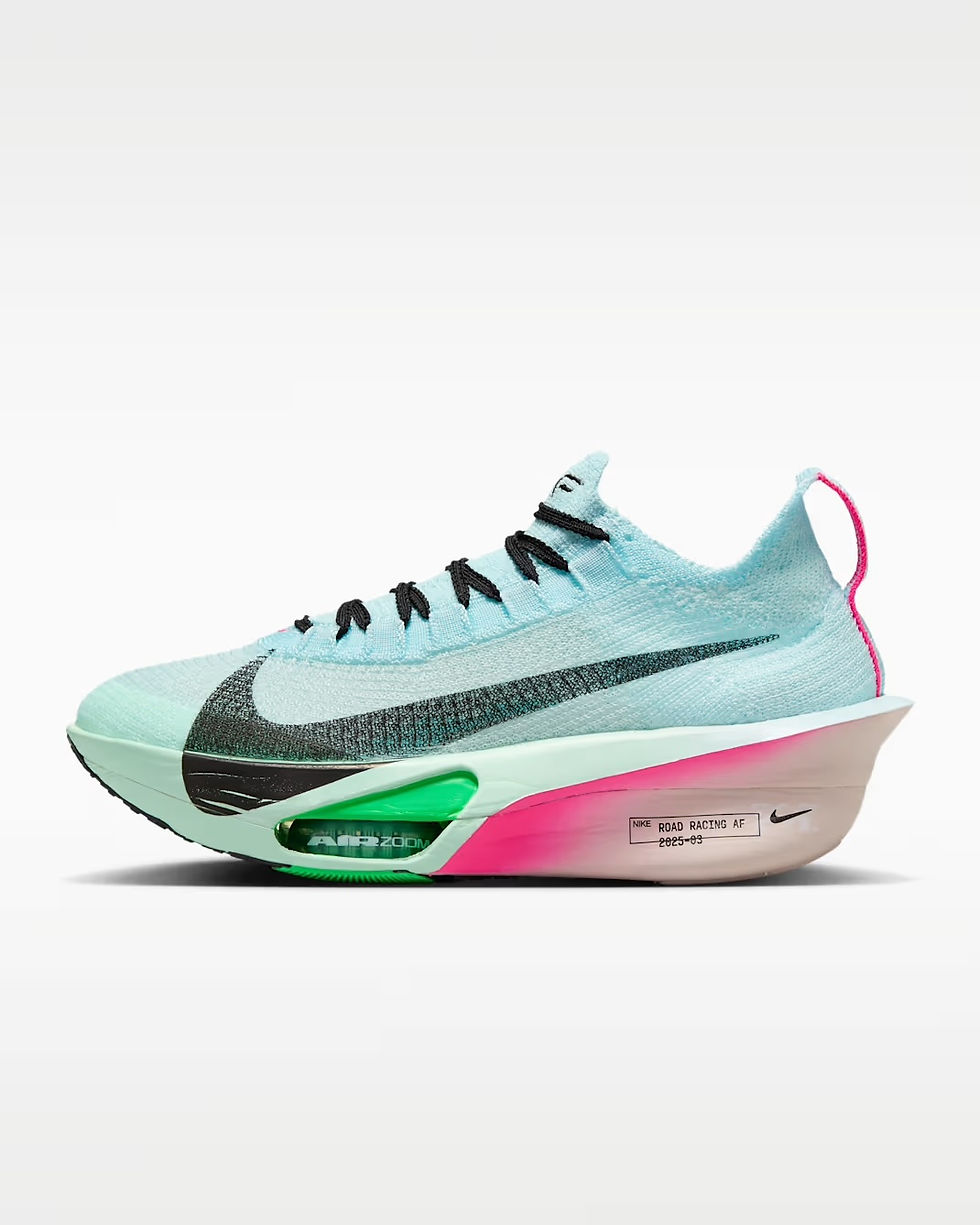
Why it made the list: Built for long distance when fatigue sets in.
Description: The Nike Alphafly 3 is made for marathon distance and beyond. With maximum stack height, advanced foam, and energy-return technology, it’s designed to keep you moving when your legs—and brain—are tired. The cushioning offers serious shock absorption without feeling unstable, which matters late in a race or during long runs that push your limits.
This shoe is about protection, efficiency, and confidence over 26.2 miles.
Pros:
Excellent for long distance racing
High level of supportive cushioning
Helps reduce impact over time
Cons:
Not ideal for casual runs
Lacks lateral stability—takes some adjustment if you’re used to lower stack shoes
Best Zero Drop Running Shoes: Altra VIA Olympus 2

Why it made the list: Natural movement with plenty of protection.
Description: Altra’s VIA Olympus 2 combines zero drop design with max cushioning, which is not an easy balance to pull off. The roomy toe box allows toes to splay naturally, supporting foot shape and comfort over long runs. For runners with high arches or those seeking a more natural inward roll, this shoe offers a stable, cushioned shoe without traditional heel elevation.
Pros:
Roomy toe box
Encourages natural foot rolls
Great for runners transitioning away from traditional drop
Cons:
Zero drop requires adaptation time
Not ideal if you need medial posts or extra support for excessive overpronation, or if you have Achilles issues
Best Eco-Friendly Running Shoes: HOLO Rebel Runner

Why it made the list: Sustainability without sacrificing performance.
Description: The HOLO Rebel Runner is made with recycled and bio-based materials while still delivering a smooth, comfortable ride. It’s a solid everyday option for runners who care about impact beyond their mileage. The cushioning feels supportive without being overbuilt, and the shoe performs well for easy runs and moderate distance.
Pros:
Thoughtful, eco-conscious materials
Comfortable for daily runs
Clean, minimal design
Cons:
Less performance-focused than race shoes
Limited availability compared to larger brands
Best Max Cushion Running Shoes: Asics Superblast 2

Why it made the list: Cushioning without the clunk.
Description: The ASICS Superblast 2 delivers more cushioning while still feeling responsive. It’s designed for runners who want comfort on long runs without feeling bogged down. The midsole foam absorbs shock effectively, making it a strong choice for recovery runs, high mileage weeks, and runners sensitive to impact.
Pros:
Excellent shock absorption
Surprisingly light for its stack height
Smooth, stable underfoot
Cons:
Higher price point
Not ideal for speed days
Best Trail Running Shoes: Saucony Peregrine 16

Why it made the list: Confidence on uneven terrain.
Description: For trail running, grip matters. The Saucony Peregrine 16 delivers good grip in wet conditions, a protective rock plate, and a secure fit that keeps you stable when the trail gets technical. It’s light enough to feel nimble but protective enough for rocky, uneven terrain.
Pros:
Excellent traction and control
Durable trail shoes for varied conditions
Great ground feel without sacrificing protection
Cons:
Less cushioning for road miles
Narrower fit for wide feet
Best Minimalist Running Shoes: Altra Escalante 4

Why it made the list: Simple, flexible, and honest.
Description: The Escalante 4 strips things back. It offers zero drop, a flexible platform, and excellent ground feel. This is a favorite for runners who want to feel connected to the road and appreciate a shoe that moves with them rather than correcting them.
Pros:
Lightweight and flexible
Encourages natural movement
Comfortable for shorter runs and daily wear
Cons:
Minimal cushioning
Not ideal for high mileage or long runs
How to Choose The Right Shoes For You: Tips for New Runners
Choosing new running shoes can feel like a lot, especially if you’re new to running or coming back after time away. There are endless reviews, strong opinions, and marketing that makes it seem like the wrong choice could ruin everything. The reality is much simpler. You don’t need the perfect shoe. You need a right-for-you shoe that fits well, supports how your body moves, and helps running feel more comfortable and sustainable.
A few basic principles can go a long way in helping you find a pair of running shoes that supports your body, reduces injury risk, and makes it easier to keep showing up.
Why Getting Fitted (and Analyzed) Matters
Getting fitted at a specialty running store is one of the most helpful steps a new runner can take. A proper fitting looks beyond shoe size and focuses on how your foot actually functions. This includes foot shape, width, arch height, and how your foot moves when you run.
Many running stores also offer gait analysis, which is one of the most accurate ways to assess foot mechanics. Gait analysis looks at how your foot rolls as it strikes the ground and pushes off. This information helps determine whether you’re a neutral runner or if you experience overpronation, where the foot rolls inward excessively. Overpronation is often associated with low arches or flat feet and can increase injury risk if left unsupported.
A good fit should feel secure without feeling restrictive. The heel should sit snugly with little to no slipping, and the toe box should allow your toes to spread naturally as your foot lands. There should be a thumb's width of space between the she and the front of the big toe. When shoes fit properly, they can help prevent common issues like blisters, calluses, black toenails, and more serious overuse injuries like plantar fasciitis. Even one professional fitting can give you a much better understanding of what works for your feet.
Understanding Heel to Toe Drop
Heel to toe drop refers to the height difference between the heel and the forefoot of a running shoe. This design detail influences how your foot strikes the ground and how impact travels through your body.
Higher drop shoes often feel more comfortable for heel strikers, runners who are newer to running, or those spending a lot of time on hard surfaces like pavement. Lower drop or zero drop shoes encourage a more midfoot or forefoot strike and can feel more natural for some runners, especially those focused on form and foot strength.
There’s no universal “best” heel to toe drop. The goal is finding a shoe that feels natural for your stride and allows you to run efficiently without discomfort. Comfort and sustainability matter more than trends.
How to Choose Cushion Level
Cushioning is one of the most personal elements of shoe selection. Some runners prefer a soft, cushioned shoe that absorbs shock and feels protective, especially during long runs or recovery runs. Others feel more stable and confident in shoes with less cushioning and more ground feel.
Think about where you run, how often you run, and how your body feels after. If your legs feel sore or beat up, more cushioning may help absorb impact. If you feel unstable or disconnected from the ground, a firmer shoe may offer better control. Cushion needs can change as your mileage, strength, or running goals evolve, and that’s completely normal.
Finding the right running shoes is about understanding your foot type, how you move, and what helps your body feel supported. A proper fit and thoughtful shoe choice can improve running efficiency, reduce injury risk, and make running feel more approachable. When your shoes work with your body instead of against it, everything else gets a little easier.
How to Know When You Need New Running Shoes
Most running shoes last somewhere between 300 and 500 miles, but mileage isn’t the only indicator. Pay attention to how your shoes feel. If runs start to feel harder, if you notice lingering soreness that wasn’t there before, or if the shoe feels flat and less responsive, it may be time to replace them.
Visible wear on the outsole, loss of cushioning, or feeling less stable during runs are all signs your shoes have done their job. Rotating between two pairs of running shoes can help extend their life and keep your body feeling fresher.
Finding the Right Running Shoe: There's No One Perfect Shoe for Everyone
The best running shoes are the ones that help you keep showing up. The ones that feel good enough to lace up on hard days. The ones that support your body without demanding perfection.
You don’t need the same shoes as everyone else. You don’t need the trendiest model. You just need the right shoes for where you are right now.
And wherever you are, you belong here.
